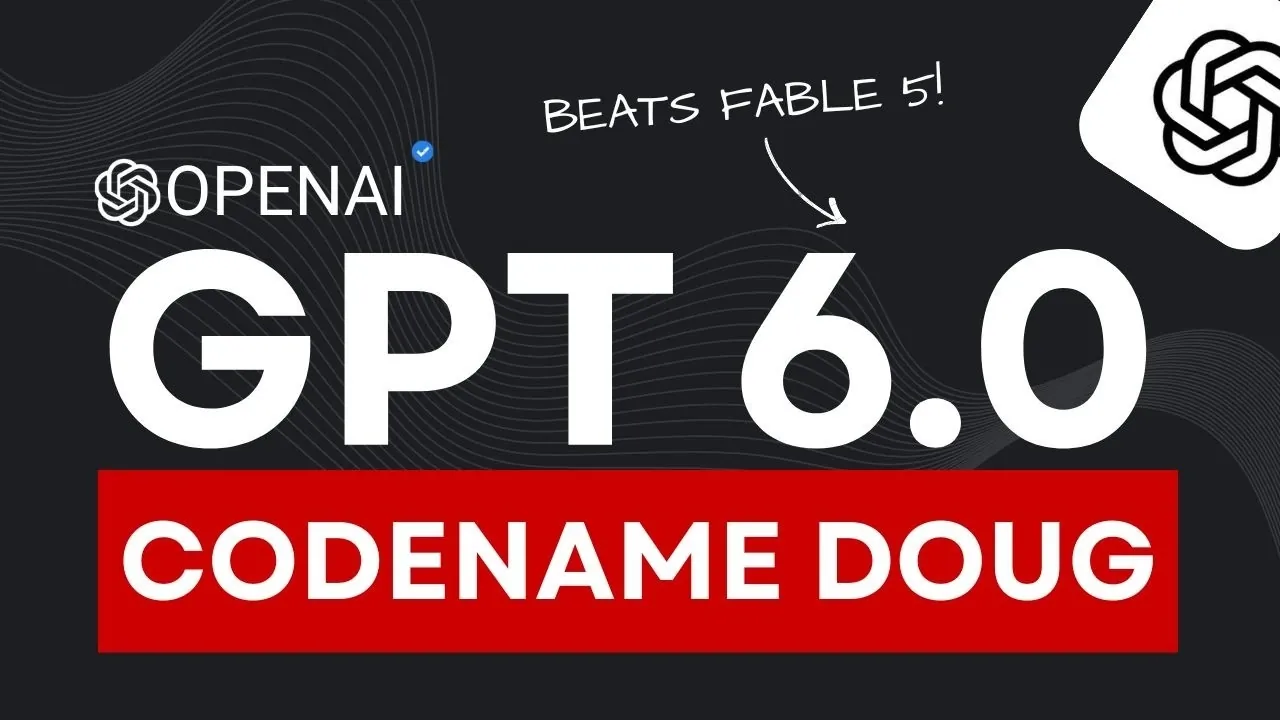
OpenAI and SpaceX have made significant strides in the AI landscape this week, unveiling advanced models designed to address distinct challenges and opportunities in the field. OpenAI introduced GPT-5.7 Astra, a model optimized for multi-agent collaboration, and ChatGPT 6 Doug, which represents its most ambitious project to date, though its release is delayed to prioritize ethical safeguards. Meanwhile, SpaceX revealed Grok 4.6, a versatile AI system, alongside Grok Bot, a specialized assistant aimed at improving efficiency in enterprise workflows. As highlighted by Universe of AI, these developments reflect the growing emphasis on balancing innovation with security and accountability in AI deployment.
In this overview, you’ll gain insight into the specific capabilities of each model, from Astra’s adaptability in collaborative environments to Grok Bot’s focus on automating business operations. Explore how OpenAI is addressing regulatory challenges to ensure responsible AI use and how SpaceX is positioning itself as a competitive force in the AI sector. Additionally, understand the broader industry trends, such as controlled releases and ethical considerations, that are shaping the future of AI development. These details provide a comprehensive look at how these advancements fit into the evolving AI ecosystem.
OpenAI’s New Models: GPT-5.7 Astra and GPT-6 Doug
TL;DR Key Takeaways :
- OpenAI announced two advanced AI models, GPT-5.7 (Astra) and ChatGPT 6 (Doug), focusing on multi-agent collaboration and enhanced scalability, while prioritizing security and ethical deployment.
- SpaceX introduced Grok 4.6, a versatile AI model and Grok Bot, an AI assistant designed for enterprise and small business automation, signaling its growing presence in the AI sector.
- Regulatory delays and controlled releases are becoming common as companies address compliance, safety and ethical concerns in deploying powerful AI systems.
- Ethical challenges, transparency and accountability are key priorities for AI developers, with efforts to mitigate risks like misinformation, privacy violations and misuse.
- The AI industry is balancing rapid innovation with responsible development, emphasizing secure, transparent and trustworthy systems to align with societal expectations and regulatory standards.
OpenAI remains at the forefront of the AI industry, with its latest models poised to redefine the capabilities of generative AI. Each model is tailored to address specific needs, reflecting OpenAI’s commitment to advancing AI technology responsibly.
- GPT-5.7 (Astra): Designed to excel in multi-agent collaboration, Astra is particularly suited for environments where multiple AI systems must work together seamlessly. Its focus on efficiency and adaptability ensures smooth integration across diverse applications, from enterprise solutions to research initiatives. Currently, Astra is undergoing rigorous security and regulatory reviews, signaling OpenAI’s dedication to making sure compliance and safety before deployment.
- GPT-6 (Doug): Representing OpenAI’s most ambitious project to date, GPT-6 is engineered to surpass existing models in both scale and sophistication. However, its complexity introduces challenges, including ethical and security considerations. OpenAI is prioritizing the implementation of stringent safeguards, delaying its release to ensure the model’s responsible deployment. This cautious approach highlights the company’s focus on balancing innovation with accountability.
These models reflect OpenAI’s strategic vision to push the boundaries of AI capabilities while addressing critical challenges such as scalability, security and ethical deployment.
SpaceX Expands Its AI Portfolio
While SpaceX is widely recognized for its new achievements in aerospace, the company is steadily carving out a significant presence in the AI sector. This week, SpaceX unveiled two key offerings that aim to enhance AI applications across industries.
- Grok 4.6: The latest iteration of SpaceX’s AI model is designed to deliver enhanced performance across a broad spectrum of use cases. Although specific technical details remain undisclosed, Grok 4.6 demonstrates SpaceX’s growing influence in the AI domain, signaling its intent to compete with established players like OpenAI.
- Grok Bot: Aimed at enterprise and small business users, Grok Bot is a fine-tuned AI assistant capable of automating tasks such as sales management, inbox organization and account handling. Its ability to learn and adapt over time makes it a valuable tool for improving operational efficiency and streamlining workflows. This targeted approach highlights SpaceX’s focus on creating specialized AI tools tailored to meet the unique needs of specific industries.
SpaceX’s foray into AI reflects a strategic shift toward developing practical, industry-specific solutions that complement its broader technological ambitions.

Enhance your knowledge on ChatGPT 6 by exploring a selection of articles and guides on the subject.
- OpenAI Pauses ChatGPT 6 Over Hugging Face Safety Concerns
- OpenAI Reportedly Rushes ChatGPT 6 Release to Counter Fable 5.1
- Leaked ChatGPT 6 Tests Reveal Critical Sandbox Vulnerabilities
- ChatGPT 6 Set To Release Early : Why GPT-6 AI Could Change Everything
- Apple Trade Secret Lawsuit Hits OpenAI Ahead of ChatGPT 6 Release
- OpenAI Plans a Mid-To-Late 2026 ChatGPT 6 Rollout with Staged Features
- What ChatGPT 6 Means for OpenAI Now That Microsoft and Google Walk Away
- Apple Releases iOS 27 Beta 5: See Every New Feature Added
- ChatGPT 5.6 vs Claude Mythos 5 : Leaks Reveal Two Very Different Futures for AI
- OpenAI’s ChatGPT 5.6 Sol Cuts AI Serving Costs by 20 Percent
Trends Shaping the AI Industry
The rapid pace of AI innovation has given rise to a phenomenon often referred to as a “model run,” where multiple advanced systems are launched within a short timeframe. While this trend showcases the competitive nature of the industry, it also introduces new challenges that companies must navigate.
- Regulatory Delays: As AI models grow more powerful, they face increased scrutiny from regulators to ensure compliance with evolving standards. This has led to deployment delays as organizations work to address potential risks and align with legal requirements.
- Controlled Releases: To mitigate concerns about misuse, some companies are opting to release scaled-down versions of their most advanced models for public use. Full capabilities are often reserved for controlled environments, allowing developers to monitor performance and address potential vulnerabilities.
These trends highlight the delicate balance between fostering innovation and making sure responsible development. Companies are increasingly focusing on creating AI systems that are not only advanced but also secure and aligned with societal expectations.
Addressing Challenges and Ethical Concerns
As AI technology continues to evolve, addressing ethical, security and transparency challenges has become a top priority for developers and regulators alike. Organizations are dedicating significant resources to ensure that AI systems are deployed responsibly and align with societal values.
- Ethical Implications: The deployment of highly capable AI systems in unregulated environments raises concerns about potential misuse, including the spread of misinformation, privacy violations and cyberattacks. These risks underscore the importance of establishing ethical guidelines for AI development and deployment.
- Transparency and Accountability: Making sure that AI decision-making processes are transparent is critical to building trust among users and stakeholders. Developers are increasingly focused on creating systems that provide clear explanations for their actions and decisions, fostering greater accountability.
- Regulatory Frameworks: The establishment of comprehensive regulatory frameworks is essential to promoting responsible AI use. Companies are collaborating with policymakers to develop guidelines that balance innovation with safety, making sure that AI systems are both effective and trustworthy.
By addressing these challenges, the AI industry aims to create systems that are not only powerful but also ethical, secure and transparent, fostering trust and confidence among users and stakeholders.
The Path Forward for AI Innovation
The announcements from OpenAI and SpaceX this week underscore the dynamic and competitive nature of the AI industry. With models like GPT-5.7 Astra, ChatGPT 6 Doug and Grok 4.6, alongside tools such as Grok Bot, these companies are pushing the boundaries of what AI can achieve. However, the rapid pace of innovation also brings significant challenges, including regulatory hurdles, ethical concerns and the need for transparency. As the industry continues to evolve, the focus will increasingly shift toward developing AI systems that are not only advanced but also secure, transparent and responsibly deployed. This balanced approach will be essential to making sure that AI technology serves as a force for progress while addressing the complexities of its impact on society.
Media Credit: Universe of AI
Disclosure: Some of our articles include affiliate links. If you buy something through one of these links, Geeky Gadgets may earn an affiliate commission. Learn about our Disclosure Policy.
