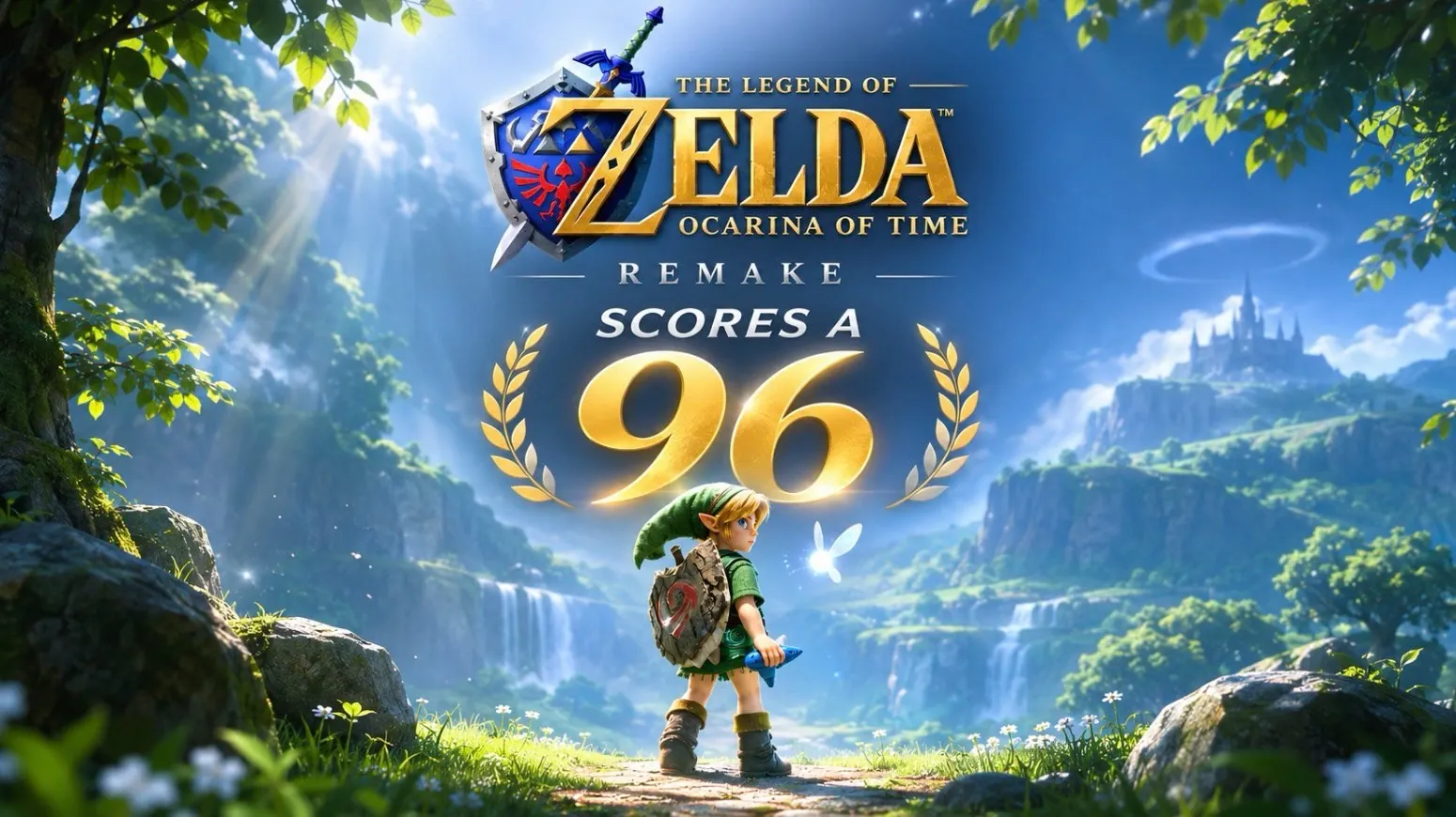
Nintendo has taken the gaming world by surprise with the release of a remake of The Legend of Zelda: Ocarina of Time for the Nintendo Switch 2. This reimagined version of the 1998 classic has earned a remarkable Metacritic score of 96, reflecting universal acclaim from critics and players alike. As RGT 85 highlights, the remake successfully balances nostalgia with modern enhancements, offering updated visuals, refined gameplay mechanics and improved localization. These thoughtful updates ensure the game appeals to both long-time fans and a new generation of players, all while preserving the heart of the original.
Explore how this remake sets itself apart in a crowded market of remasters and re-releases. You’ll gain insight into the specific gameplay refinements that make navigating Hyrule smoother, the visual upgrades that enhance immersion without compromising the original’s charm and the localization improvements that adapt the story for a global audience. This feature also examines the broader implications of the remake’s success, from its celebration of gaming history to its influence on future projects.
Why the Remake Stands Out
TL;DR Key Takeaways :
- The remake of “The Legend of Zelda: Ocarina of Time” for Nintendo Switch 2 has achieved a remarkable Metacritic score of 96, earning universal acclaim for its balance of nostalgia and modern enhancements.
- Modern updates include stunning visuals, refined gameplay mechanics and improved localization, all while preserving the original’s essence and charm.
- The game’s success highlights its cultural and historical significance, reaffirming its status as one of the greatest video games of all time and a milestone in gaming history.
- Critics and players praise the remake for respecting the original while introducing meaningful updates, making it accessible and enjoyable for both longtime fans and new players.
- The project sets a high standard for future remakes, showcasing how respectful modernization can breathe new life into classic games while honoring their legacy.
In a gaming market crowded with remasters and re-releases, this remake distinguishes itself through its universal acclaim and attention to detail. With 80 reviews and no mixed or negative feedback, the game has achieved a rare level of praise in today’s competitive landscape. Critics and players alike have commended its ability to retain the heart of the original while introducing meaningful updates that enhance the experience. Its Metacritic score of 96 places it among the highest-rated games of the year, cementing its reputation as a modern masterpiece.
The remake’s success lies in its careful balance between preserving the original’s essence and delivering improvements that feel natural rather than forced. This approach has resonated with fans, who appreciate the respect shown to the original while enjoying the benefits of modern technology.
Modern Enhancements, Timeless Appeal
One of the most celebrated aspects of the remake is its modernization, which uses the advanced hardware of the Nintendo Switch 2. The game features stunning visuals, including richly detailed environments, lifelike character animations and enhanced lighting effects. These improvements create a more immersive experience while staying true to the original’s artistic vision, making sure that the charm of the 1998 classic remains intact.
Gameplay mechanics have also been thoughtfully refined to meet modern standards. The controls feel more responsive and intuitive, providing a smoother experience for both new players and returning fans. These updates make navigating Hyrule and engaging in combat more seamless, without altering the core mechanics that defined the original game. Localization has also been significantly improved, with dialogue and cultural nuances adapted to resonate with a global audience. Despite these updates, the remake remains faithful to the original’s design, preserving the elements that made Ocarina of Time a new title in its era.

Advance your knowledge of everything Zelda by reading more of our published content.
- Nintendo’s Zelda 40th Edition Plans Leaked: Scheduled for April 2027
- Ocarina of Time Hits 1080P and 60 FPS on the Nintendo Switch 2
- Base M1 MacBook Air Runs Native Console Ports Without Emulators
A Legacy That Shaped Gaming
The original Ocarina of Time, released on the Nintendo 64, is widely regarded as a milestone in gaming history. It introduced innovative mechanics, such as Z-targeting and an expansive open world, that have influenced countless games over the years. This remake not only honors that legacy but also highlights the enduring impact of the Nintendo 64 era on modern gaming.
For many players, this remake serves as a bridge between the past and present, showcasing how far the industry has evolved while celebrating the timeless appeal of exceptional game design. Beyond its technical achievements, Ocarina of Time remains a cultural touchstone, inspiring generations of developers and players alike. Its influence can be seen in the design of modern action-adventure games, which continue to draw from the innovations introduced in the original.
Balancing Nostalgia with Modern Expectations
While the remake has been widely praised, it also prompts reflection on how a game rooted in 1998 design principles compares to today’s AAA titles. Some players may find certain quest structures or pacing choices to feel dated when measured against modern standards. However, these elements are often viewed as part of the game’s unique charm, reflecting the design philosophies of its time.
By staying true to the original’s structure, the remake invites players to appreciate the evolution of game design over the past two decades. It also underscores the importance of preserving gaming history, allowing new audiences to experience a classic in its authentic form. This approach not only honors the original but also provides valuable context for understanding how the gaming industry has grown and changed.
Fan Excitement and the Future of Remakes
The release of the Ocarina of Time remake has generated immense excitement among fans, many of whom have long awaited a modernized version of this beloved title. For Nintendo, the success of this project highlights the enduring appeal of their classic franchises and the potential for future remakes. As gaming technology continues to advance, there is growing anticipation for other iconic titles to be reimagined, blending nostalgia with innovation to create experiences that resonate with both old and new audiences.
This remake also sets a high standard for future projects, demonstrating that respectful modernization can breathe new life into classic games without compromising their original identity. Fans are now speculating about which titles might be next in line for a similar treatment, with hopes that Nintendo will continue to explore its rich catalog of beloved games.
An Unforgettable Journey
The Legend of Zelda: Ocarina of Time remake is a masterclass in respectful modernization, offering an experience that bridges the past and present of gaming. By enhancing visuals, refining gameplay and improving localization while preserving the original’s essence, Nintendo has reintroduced a timeless classic to a new generation. Its critical acclaim and cultural significance reaffirm its place as one of the greatest video games of all time. Whether you’re revisiting Hyrule or exploring it for the first time, this remake offers an unforgettable journey that celebrates the legacy of a true gaming masterpiece.
Media Credit: RGT 85
Disclosure: Some of our articles include affiliate links. If you buy something through one of these links, Geeky Gadgets may earn an affiliate commission. Learn about our Disclosure Policy.
